


 Across multiple industries nationwide (Coal Chemical / Power Plant Desulfurizati
 Pilot-scale to full-scale implementation (from tens to tens of thousands of m³/d
MVR Mechanical Vapor Recompression Evaporation: Using One Compressor to "Boil" High-Salinity Wastewater into Sellable Salt and Reclaimed Water
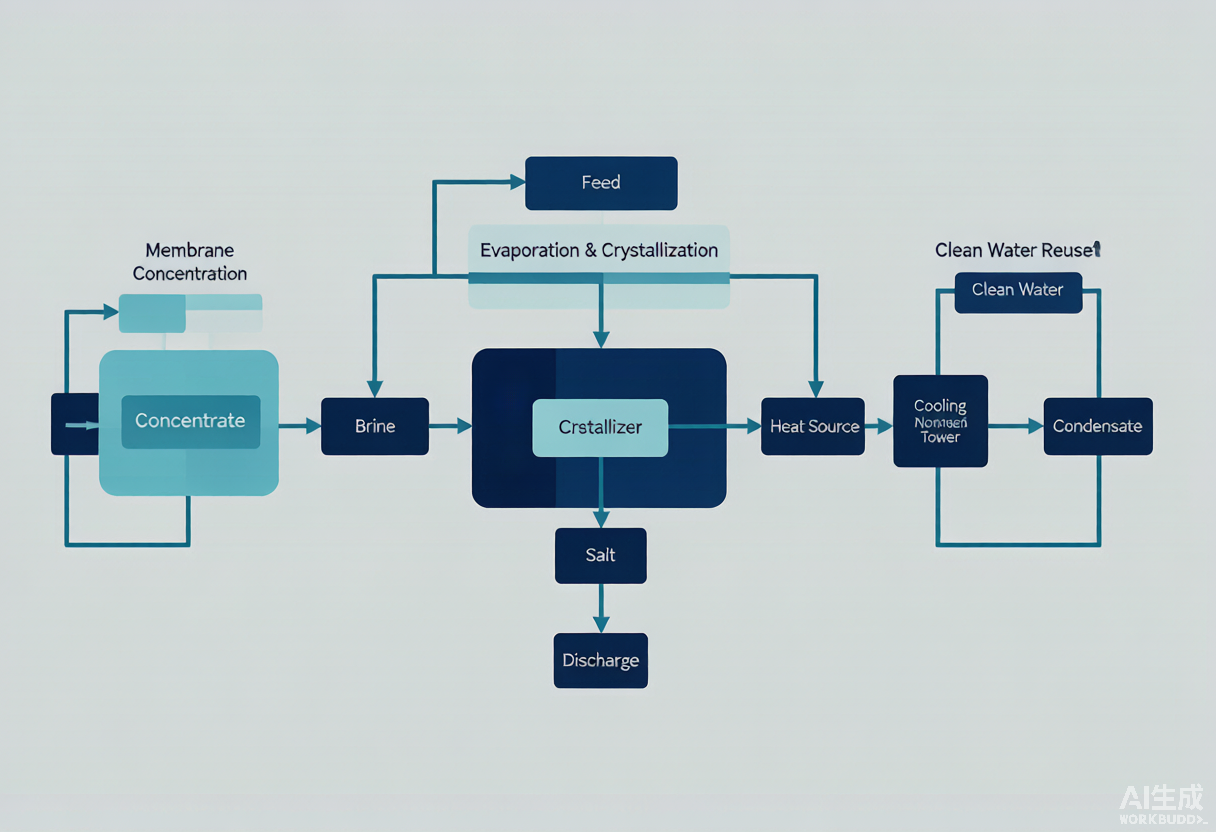
After high-salinity wastewater (TDS>1%) is concentrated to its limit by membrane processes, how is the remaining concentrated brine "closed out"? Evaporative crystallization is the closing process for Zero Liquid Discharge (ZLD). MVR uses a single compressor to "pressurize and raise the temperature" of the secondary steam generated during evaporation, then reuses it as a heat source, reducing purchased steam to nearly zero—power consumption is approximately 25–45 kWh kWh per ton of water, only 1/3–1/4 of that of triple-effect evaporation. This article uses real cost data from coal chemical, coking, pharmaceutical, electroplating, lithium battery, and landfill leachate industries to fully explain the principles, parameters, energy consumption comparisons, and salt separation processes.
1. Principle: Pressurize and Raise the Temperature of "Secondary Steam" for Reuse as a Heat Source
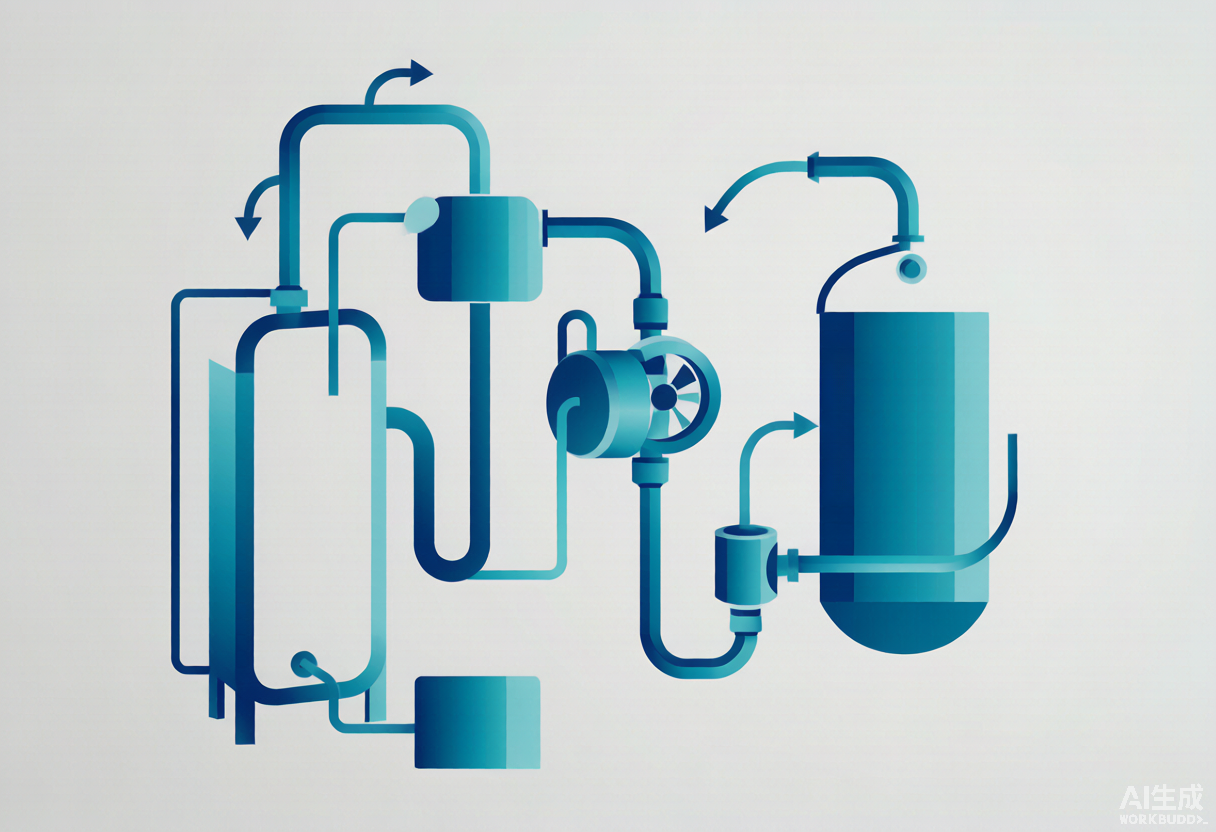
The MVR cycle is elegantly simple, consisting of just three steps:
- Evaporation generates steam: Pretreated high-salinity wastewater is heated in the evaporator; water becomes low-temperature, low-pressure "secondary steam," while salts are concentrated and left behind;
- Compression upgrades quality: The secondary steam is pressurized and heated by a vapor compressor (centrifugal or Roots type), typically raising the temperature by only 5–25℃ (typically 8–15℃), yet sufficient to return heat to the exchanger;
- Condensation into water: The upgraded steam releases latent heat on the heat exchanger side and condenses into distilled water (clean condensate), while the latent heat is absorbed by the incoming wastewater to sustain evaporation—forming a closed loop.
Because the steam is almost fully recycled, secondary steam recovery can reach ≥95%, and normal operation requires virtually no external steam supply (only <0.1 t/h of start-up steam during commissioning). The only continuous energy consumption in the entire system is the electricity driving the compressor (industrial-grade compressor power 50–300 kW, system evaporation capacity 1–50 m³/h). This is precisely why MVR is an order of magnitude more efficient than traditional multi-effect evaporation that relies on boiler-generated steam.
2. Three Core Parameters: Temperature Rise/BPE, Concentration Ratio, and Specific Power Consumption
When designing an MVR system, three parameters determine whether the system is stable and energy-efficient:
① Temperature Rise and Compression Ratio—The Key to Compressor Selection
The compression ratio is typically 1:1.2–1.5 (temperature rise 10–20℃). Centrifugal compressors (temperature rise 10–15℃) are used for high-flow, low-boiling-point-elevation wastewater; Roots-type compressors (temperature rise up to 20–25℃) are used for high-boiling-point-elevation, low-flow wastewater. If the temperature rise is too small, the heat transfer temperature difference is insufficient, requiring larger heat exchange areas; if too large, compressor power consumption increases sharply.
② Boiling Point Elevation (BPE)—A Mandatory Correction for High-Salinity Design
The higher the salt concentration, the higher the solution boiling point. The BPE correction is approximately 5–15℃ at TDS 5–20 万 mg/L, directly raising the operating temperature and compressor load. Therefore, thermodynamic simulation to correct for boiling point elevation is essential for high-salinity MVR design—otherwise "it looks economical on paper but runs expensive in practice."
③ Concentration Ratio and Specific Power Consumption
The typical concentration ratio is 1:10–1:15, concentrating by evaporation to TDS 20–30% solids content before entering the crystallizer. Industry-standard specific power consumption is 25–45 kWh/t (specific evaporation energy consumption approximately 28 kWh/t water), only about 1/3–1/4 of that of triple-effect evaporation.
3. Real Engineering Cost Ledger (All from Public Engineering/Academic Cases)
| Industry / Scale | Process & Key Operating Conditions | Effluent & Salt Quality | Source |
|---|---|---|---|
| Chemical H-acid production / 6 t/h Na₂SO₄ | MVR evaporation crystallization, feed 6–8% Na₂SO₄, COD 15000, color 3000 ×; 2205 duplex stainless steel, heat exchange area 1200 m² | Evaporation capacity 6000 kg/h, power consumption 26 kWh/t water, live steam 0.10 t/t water; anhydrous Na₂SO₄ 2.1 t/d, purity 99.3%, Cl⁻≤200 ppm; payback period 2.3 年 | Conqinphi project case (equipment supplier, to be verified) |
| Japanese-invested electroplating plant in Thailand / 8 t/h | Pretreatment→membrane concentration→MVR forced circulation crystallization→centrifugation; influent TDS 8–12%, containing Ni²⁺/Cr⁶⁺/Cu²⁺, pH 2–4 | Energy consumption 38–45 kWh/t water (saves >50% vs. triple-effect); condensate reuse rate 99.2%; crystalline salt 2.8–3.2 t/d; operating cost 60–70 元/t water | Conqinphi project case (equipment supplier, to be verified) |
| Landfill leachate / 18–20 t/h | MVR forced circulation evaporation, feed concentration 2%, concentrated to readily crystallizable state | Installed power 1208 kW, power consumption 50 kWh/t water | EnChem project case (equipment supplier, to be verified) |
| Saline wastewater from a chemical plant in Jiangsu / 420 t/d | Plate falling-film MVR, feed total salt 5%, containing chloride ions and trace oil, feed temperature 25℃ | Evaporated condensate TDS<20 mg/L; power consumption 47–49 kWh/t water; discharge solids content approx. 10% | Anfeng Environmental project case (equipment supplier, to be verified) |
| Coking wastewater concentrated brine / 200 m³/h | Pretreatment + membrane concentration + evaporation crystallization; reclaimed water reuse 112 m³/h + advanced treatment 88 m³/h concentrated brine from a coking plant in Shanxi | Average Na₂SO₄ crystalline salt purity 97.17%, NaCl 98.62%; mixed salt rate 12.10%; effluent COD/ammonia nitrogen/conductivity meet reclaimed water standards | Chai Gaogui et al., *Coal Chemical Industry* 2025, 53(1):40-75 (peer-reviewed journal) |
| Coal chemical concentrated brine ZLD / thermal salt separation | Pretreatment + thermal salt separation crystallization | Effluent TDS≤200 mg/L; NaCl/Na₂SO₄ crystalline salt purity both above 98%; overall recovery rate >95% | Zhang Chen, *Shanxi Chemical Industry* 2025 , Issue 10 (peer-reviewed journal) |
| RO concentrate in Xinjiang / 200 t/d | MVR + freeze crystallization salt separation | Comprehensive power consumption 55 kWh/t water; annual output Na₂SO₄ 1.2 万 t, NaCl 0.85 万 t; investment payback period 4.3 年 | Kangjinghui evaporation case (equipment supplier, to be verified) |
| Pharmaceutical high-salt wastewater / evaporation crystallization | MVR evaporation crystallization; antibiotic wastewater COD 30000, TDS 8% | Concentrated to TDS 25%, crystalline salt purity ≥95%, condensate COD<500 mg/L; annual steam cost savings >200 万 RMB | Kangjinghui evaporation case (equipment supplier, to be verified) |
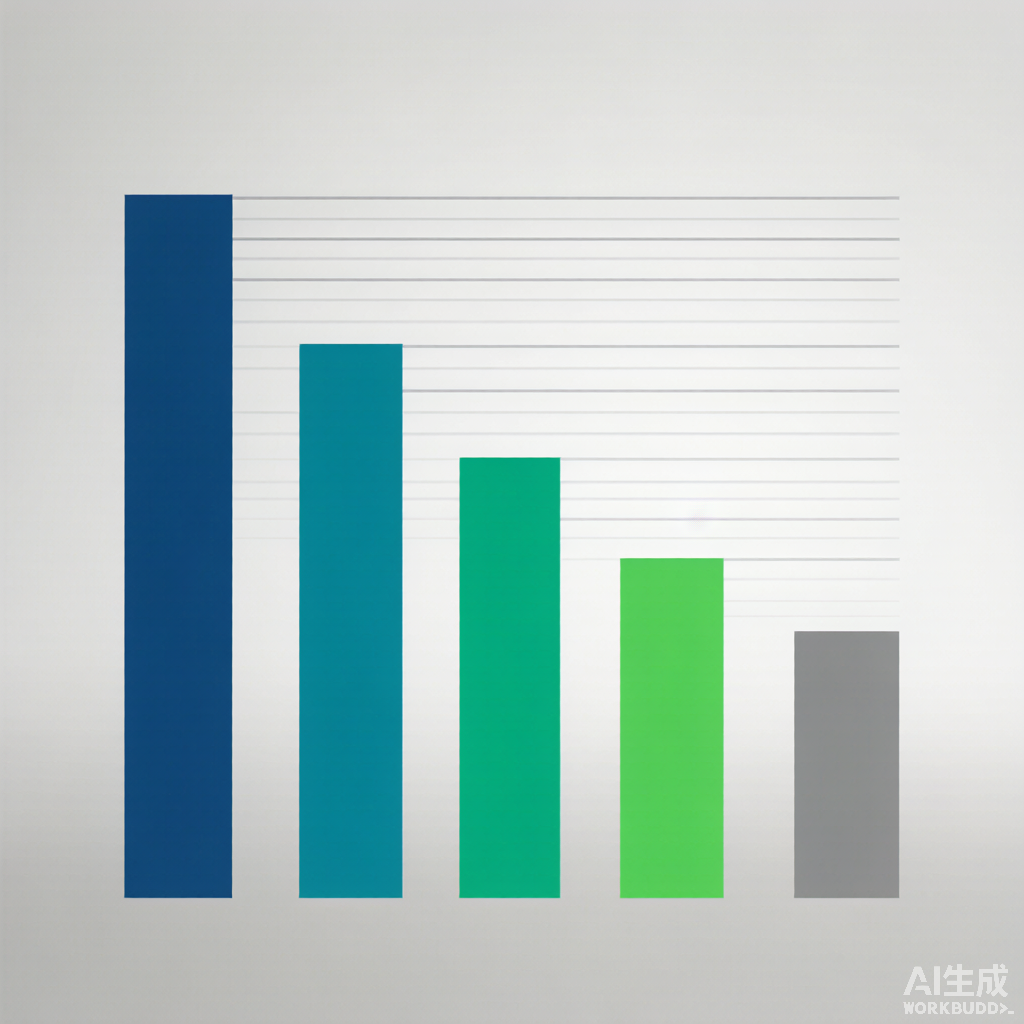
IV. MVR vs. Multi-Effect/Single-Effect: An Order-of-Magnitude Difference in Energy Consumption
| Evaporation Technology | Energy Consumption (kg steam / kg water) | Equivalent Power Consumption | Energy-Saving Feature | Applicable Scenario |
|---|---|---|---|---|
| Single-Effect Evaporation | 1.0 | Highest | Baseline | Small flow rate, surplus steam available |
| Double-Effect Evaporation | 0.5 | Medium | Saves 50% vs. single-effect | Medium flow rate |
| Triple-Effect Evaporation (MED) | 0.33 | 0.5–1.0 kWh/kg | Saves approx. 67% vs. single-effect | Medium-high salinity, low-cost steam available |
| MVR Evaporation | 0.02–0.05 (electric equivalent) | 0.1–0.3 kWh/kg (approx. 25–45 kWh/t) | Saves 60–90% vs. triple-effect | High salinity, no steam/low electricity price, ZLD |
Economic threshold: Multiple engineering comparisons indicate that when steam is unavailable on site or steam cost >150 元/t and electricity is relatively inexpensive, MVR offers a clear advantage, with the incremental investment recoverable within approximately 1–2 年; if steam is self-generated and extremely cheap, triple-effect/multi-effect evaporation is more cost-effective with lower initial investment. MVR evaporation has a specific energy consumption of approximately 28 kWh/t, only 1/3–1/4 of that of triple-effect systems (Kangjinghui engineering comparison, pending verification).
V. Salt Separation: Converting "Mixed Salt Hazardous Waste" into "Industrial Salt"
Traditional evaporation crystallizes all salts together into "mixed salt," which, due to its complex composition and high impurity content, is often classified as hazardous waste under the National Hazardous Waste List, with disposal costs as high as 3000–5000 元/ton — this is the pain point of "zero liquid discharge but not zero cost." Modern ZLD has shifted toward "zero liquid discharge + salt resource recovery," with the core being salt separation crystallization:
- Nanofiltration salt separation: NF membranes can achieve rejection rates of up to 98% for divalent salts (e.g., Na₂SO₄) while allowing monovalent salts (e.g., NaCl) to pass through, at operating pressures of 8–12 bar, with primary separation efficiency above 85%;
- Thermal + freeze crystallization: The separated concentrate enters evaporation crystallization, leveraging the solubility difference between NaCl and Na₂SO₄ for staged crystallization (e.g., sodium sulfate decahydrate precipitates at low temperatures). DTB crystallizers can produce uniform crystals with particle sizes of 0.5–1.2 mm;
- Product standards: Sodium sulfate can meet the first-grade quality requirements of Industrial Anhydrous Sodium Sulfate GB/T 6009—2014 , while sodium chloride meets the industrial dry salt requirements of Industrial Salt GB/T 5462—2015 .
VI. 4 Pitfalls That Must Be Watched in Engineering (Practical Engineering Insights)
1. Scaling Is the Number One Enemy
Coal chemical wastewater with hardness (Ca²⁺ 500–2000 mg/L) and silica (SiO₂ 100–500 mg/L) can achieve scaling rates of 1–2 mm/month. Countermeasures: upstream hardness and silica removal pretreatment + forced circulation velocity ≥2.5 m/s to prevent deposition + periodic CIP online cleaning; evaporator scaling cycles can be extended from the traditional 15 天 to over 90 天 (with salt separation process).
2. Chloride Corrosion — Material Selection Cannot Be Compromised
Chloride-containing wastewater requires 2205/2507 duplex stainless steel or titanium materials (TA2); shells can use 316L/rubber lining. Some references suggest controlling Cl⁻<20000 mg/L to mitigate corrosion, but high-chloride wastewater should still directly use duplex stainless steel/titanium. The compressor impeller also requires Cl⁻ corrosion resistance (titanium material, design life 10 年).
3. COD Enrichment Causes Excessive Boiling Point Elevation, Destabilizing MVR
High-COD concentrate continuously enriches during evaporation, raising the boiling point elevation and deteriorating heat transfer, which can destabilize the MVR system. The common solution is a "two-stage crystallization + end-of-pipe treatment" approach; condensate COD generally requires further advanced treatment (activated carbon/membrane) before reuse (e.g., in pharmaceutical cases, condensate COD<500 mg/L before entering biological treatment).
4. The Fate of Crystalline Salt Determines Economic Viability
Salt that meets separation standards becomes industrial salt (saleable or reusable in chlor-alkali/soda ash production); unsalted or off-spec mixed salt must be disposed of as hazardous waste (HW11), at several times the cost. Non-condensable gases containing VOCs/ammonia require activated carbon adsorption or caustic scrubbing. Salt marketability and mixed salt rate are the keys to whether a ZLD project can achieve "self-sustaining economics."
VII. One-Sentence Selection Recommendation
Suitable for: Scenarios with scarce or expensive steam, relatively low electricity prices, influent TDS>1%, and requirements for zero liquid discharge or salt recovery — such as coal chemical saline wastewater, power plant desulfurization wastewater, coking/pharmaceutical/lithium battery/electroplating high-salinity wastewater, and landfill leachate membrane concentrate tailwater.
Not suitable for: Low TDS (<1%) high-volume wastewater — where RO/NF is more economical; or scenarios with extremely cheap steam and surplus heat sources — where multiple-effect evaporation offers lower initial investment. Reserve MVR for the hard requirements of "zero liquid discharge, salt recovery, and uneconomical steam," and be sure to design salt separation and crystalline salt marketability into the project from the outset.
References (Verifiable Sources)
- Chai Gaogui, Zhou Weiran, Li Jianfeng, et al. Engineering case study on salt extraction from concentrated brine in coking wastewater reuse and advanced treatment facilities[J]. Coal Chemical Industry, 2025, 53(1):40-75.
- Zhang Chen. Application and optimization of thermal salt separation and crystallization technology in zero liquid discharge of coal chemical wastewater[J]. Shanxi Chemical Industry, 2025(10). (Shenhua Engineering Technology Co., Ltd., Anhui Branch)
- Conqinphi. A chemical plant's 6 t/h sodium sulfate solution MVR evaporation and crystallization system[EB/OL]. chinaevaporators.com. (Equipment supplier case study, to be verified)
- Conqinphi. Zero-discharge wastewater project – 8 t/h MVR evaporation crystallization system[EB/OL]. chinaevaporators.com. (Equipment supplier case study, to be verified)
- EnChem. MVR Evaporator for Landfill Leachate Treatment[EB/OL]. enchem-tech.com. (Equipment supplier case study, to be verified)
- Anfeng Environmental Protection. MVR evaporation case study for high-salinity wastewater treatment[EB/OL]. anfengtech.com. (Equipment supplier case study, to be verified)
- Kangjinghui Evaporator. MVR evaporator for wastewater desalination (typical process/representative cases/economic comparison)[EB/OL]. dxzfq.net. (Equipment supplier documentation, to be verified)
- Kangjinghui Evaporator. MVR evaporator for high-salinity wastewater from pharmaceutical plants[EB/OL]. dxzfq.net. (Equipment supplier documentation, to be verified)
- Zhongsheng Environmental. MVR Evaporation for High-Salinity Wastewater: 2026 Engineering Specs & ZLD[EB/OL]. hydropurewater.com. (Engineering parameter summary, to be verified)
- Xinling Equipment. MVR Evaporator – Technical Specifications & Comparison[EB/OL]. xinlinequipment.com. (Equipment supplier documentation, to be verified)
- Zhejiang Xinwei Environmental Protection. Why salt separation and crystallization processes are essential in zero liquid discharge systems[EB/OL]. zjxwhb.cn. (Salt separation technology description, to be verified)
- GB/T 6009—2014 Industrial anhydrous sodium sulfate; GB/T 5462—2015 Industrial salt; GB 31571—2015 Emission standard of pollutants for petrochemical industry; GB 16171—2012 Emission standard of pollutants for coking chemical industry.