



 AM crystal, Acrylamide, Monomer, Water Treatment, Environmental Protection Chemicals
 2026-09-22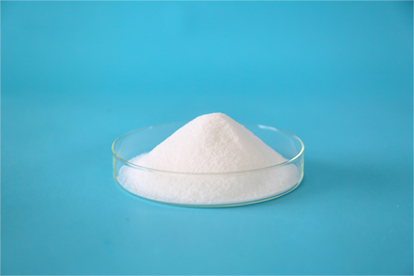
Pure product is white flake crystals, soluble in water, acetone, and ethanol, slightly soluble in benzene. It is relatively stable in dark places and prone to polymerization at melting point or under ultraviolet light. It decomposes under high heat and releases corrosive gases.
Application Scope
1, synthesis of water-soluble polymers; 2, increasing the adhesion of hydrophilic centers of lipophilic polymers, the softening point of resins, and solvent resistance; 3, can be used as a crosslinking agent for vinyl polymers. Among them, the polyacrylamide polymers produced are one of the most widely used varieties of water-soluble polymers, known as "auxiliaries for all industries" and "universal products", mainly used in oil extraction, metallurgy, construction, textiles, sugar refining, pharmaceuticals, and agriculture, etc.
- Oil Extraction
- Mineral Processing
- Metallurgy
- Papermaking
- Sugar Refining
- Coal Washing
- Textiles
- Pharmaceuticals
Usage Method
Acrylamide undergoes polymerization reactions with anionic intermediates containing active double bonds such as acrylic acid (AA), sodium acrylate, 2-acrylamido-2-methylpropanesulfonic acid (AMPS), etc., to form anionic polyacrylamide copolymers. It can also synthesize cationic polyacrylamide copolymers with active cationic monomers such as acryloyloxyethyltrimethylammonium chloride (DAC), methacryloyloxyethyltrimethylammonium chloride (DMC), dimethyldiallylammonium chloride (DMDAAC), etc. Acrylamide can also undergo homopolymerization by itself to synthesize nonionic polyacrylamide. Nonionic polyacrylamide can be processed through subsequent alkaline hydrolysis to synthesize anionic polyacrylamide. The product is prone to moisture absorption. It should be stored in a cool, ventilated, and dry warehouse, protected from moisture and rain, and kept sealed. Keep away from fire sources and heat sources, avoid contact with oxidants, acids, alkalis, and materials such as copper, iron, and aluminum. It should be stored separately from edible chemicals and must never be mixed-stored. Shelf life 1年. If no self-polymerization occurs after the storage period, it can continue to be used. Before transportation, check whether the packaging is intact and sealed. During transportation, ensure that the packaging does not leak, collapse, fall, or become damaged. It is strictly prohibited to transport it mixed with acids, oxidants, food and food additives, as well as materials such as copper, iron, and aluminum. During transportation, protect it from exposure to sunlight, rain, and high temperatures.
Technical Indicators
| Item | Content | Moisture | pH | Polymerization Inhibitor | Colority | Conductivity | Iron |
|---|---|---|---|---|---|---|---|
| Unit | W/% | W/% | 10-6 | # | Us/cm | 10-6 | |
| Standard | ≥98.0 | ≤0.8 | 6.5-7.5 | 3-10 | ≤10 | ≤20 | ≤1 |
| Measured | 98.52 | 0.35 | 7.25 | 4.1 | 1 | 3.89 | 0.015 |
Related Application Directions
- Drilling and completion polymers (oilfield): reduce sticking accidents, reduce equipment wear, prevent blowouts and wellbore collapse
- Retention and drainage aids (papermaking): improve the retention rate of fine fibers and fillers in pulp, save fibers, and reduce raw material costs
- Wastewater purification (mining): good stability, strong adsorption bridging ability, good flocculation effect, fast flocculation speed, temperature and salt resistance