Cases

Cases

Cases
Ion Exchange: One Resin, Four Capacities — Dosing 5% More Chemical Actually Lowers Specific Consumption
Ion Exchange Softeni
Ion Exchange: One Resin, Four Capacities — Dosing 5% More Chemical Actually Lowers Specific Consumption
Across multiple industries nationwide (boiler makeup water for thermal power and
Small to large scale (water softening stations 20 to 100 m³/h; power plant prima
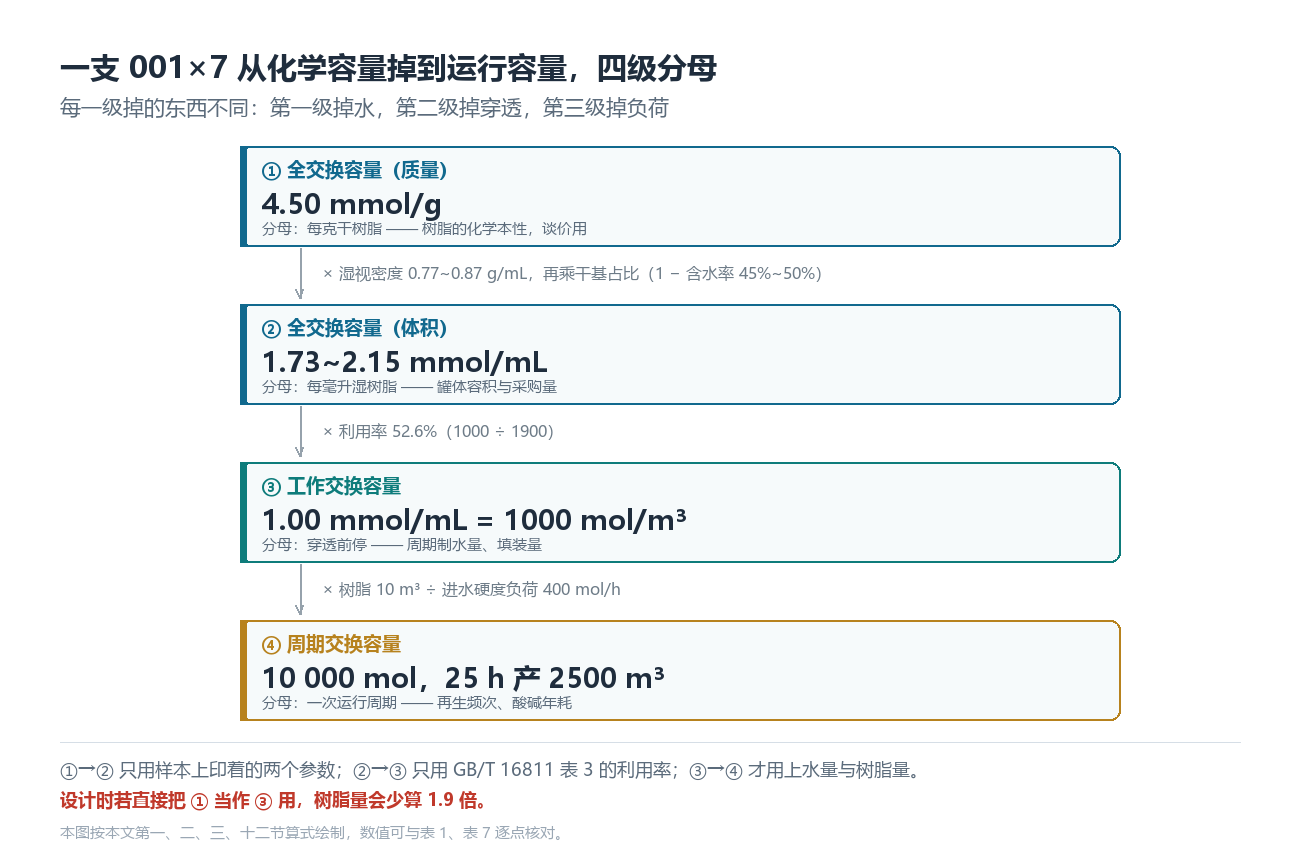
On the same 001×7 sample, three capacities are listed: 4.50 mmol/g, 1.90 mmol/mL, and 1000 mol/m³ — different units, different denominators, separated by only one multiplication. The unit of regenerant consumption, g/mol, divided by molar mass gives the s
View Details
After the odorous gas is driven into the air: 0.33 kg/h, 15 seconds, and a countdown
Sewage Station Odor
After the odorous gas is driven into the air: 0.33 kg/h, 15 seconds, and a countdown
Across multiple industries nationwide (municipal and industrial park wastewater
Small to medium and up to ultra-large scale (single-pool collection of 3,000 to
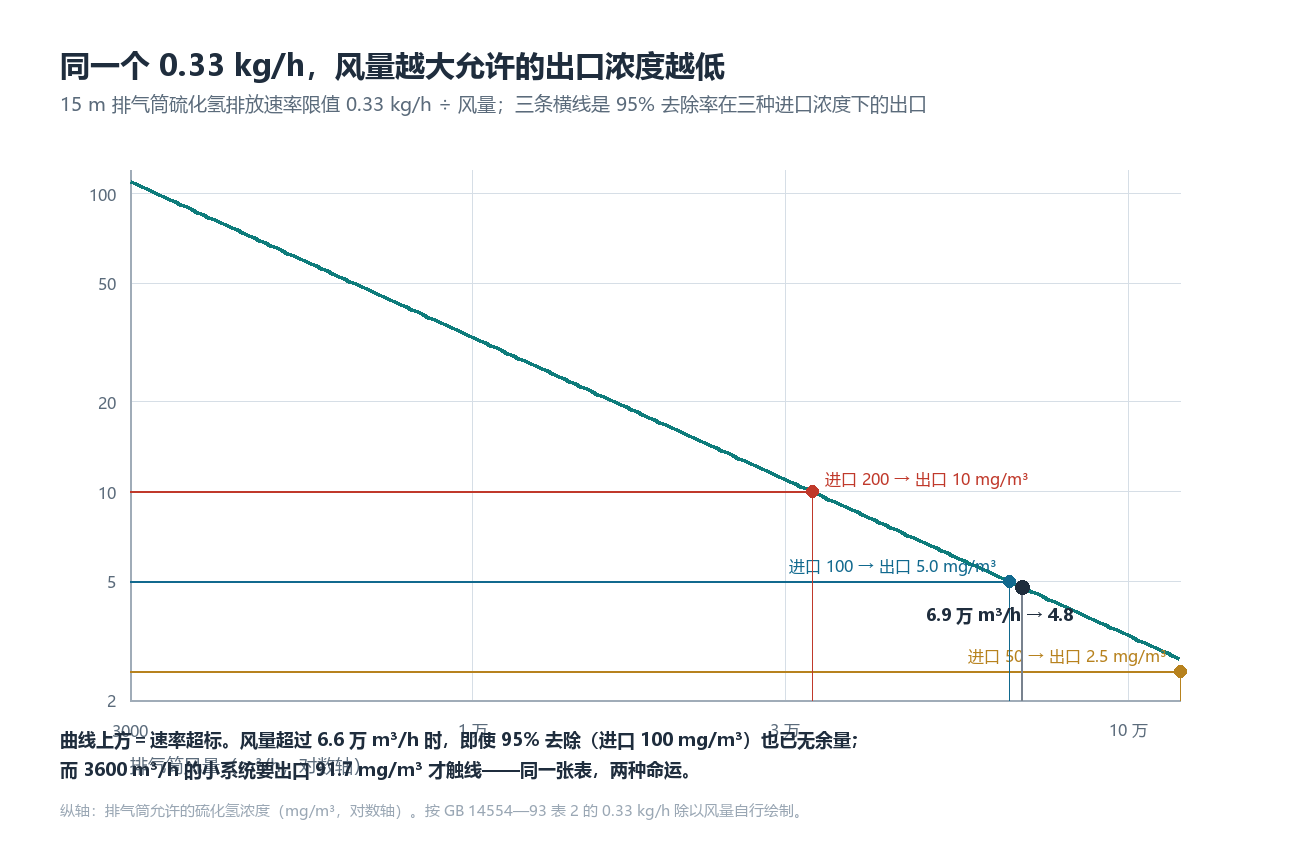
In the odor standard for exhaust stacks, only kg/h is specified, with no mg/m³; the plant-boundary limit of 0.06 and the odor concentration of 20 are judged by the noses of six people; airflow rate, residence time, and outlet concentration run in reverse.
View Details
Disinfection: soaking in the tank for 30 minutes, but only 9 minutes actually kills bacteria.
Disinfection (CT val
Disinfection: soaking in the tank for 30 minutes, but only 9 minutes actually kills bacteria.
Multi-industry nationwide (municipal and industrial park wastewater treatment pl
Small to very large (10,000 to 290,000 m³/d; contact tank 200 to 2,000 m³, UV ch
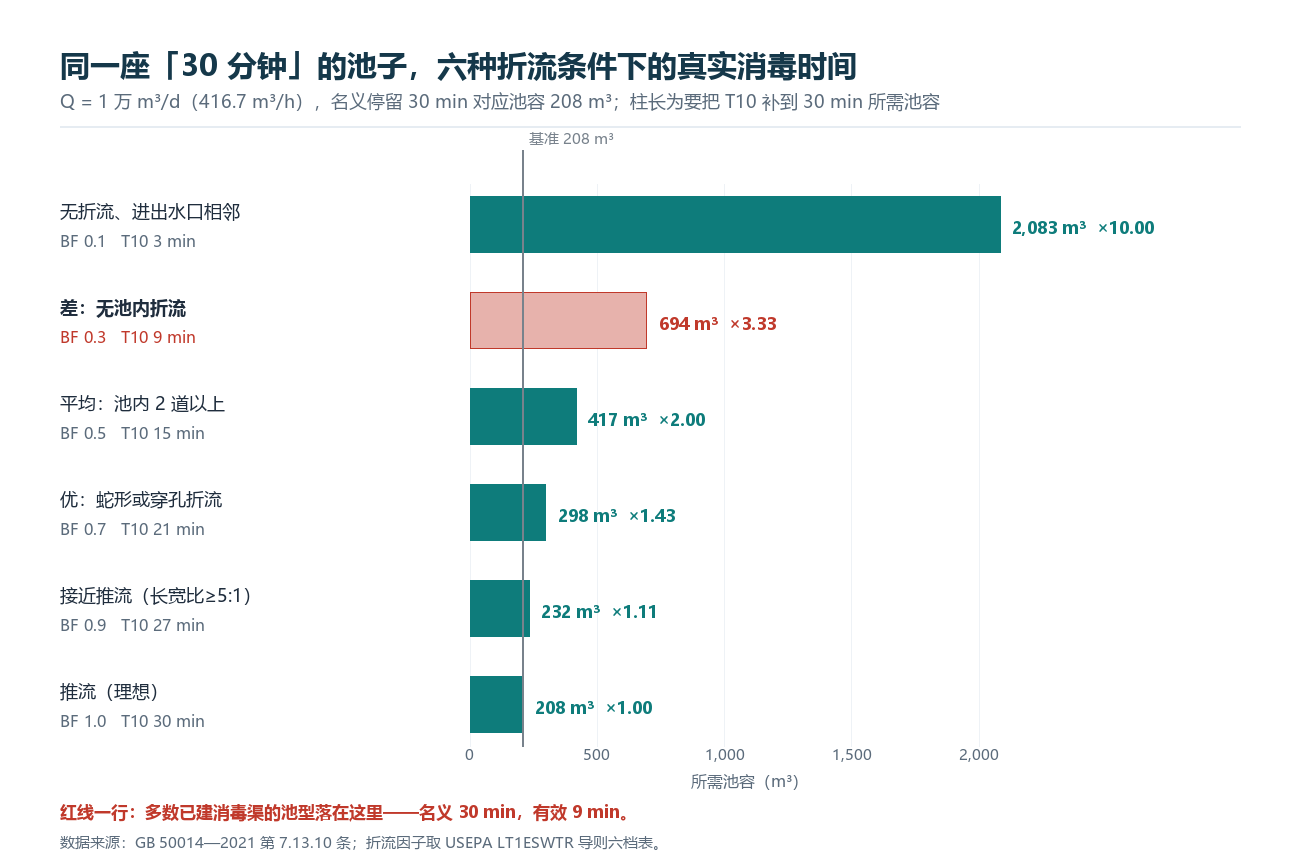
The 30-minute contact time specified in the standards is tank volume divided by flow rate, whereas disinfection efficacy requires T10—with baffling slightly off, only 9 minutes of the 30 remain. Residual chlorine has three values: free, combined, and tota
View Details
Secondary Clarifier: The return sludge ratio is already at 1.5 and sludge is still washing out, because the tank was sized based on hydraulic loading.
Solid-liquid separat
Secondary Clarifier: The return sludge ratio is already at 1.5 and sludge is still washing out, because the tank was sized based on hydraulic loading.
Across multiple industries nationwide (municipal and industrial park wastewater
Small to large scale (5,000 to 100,000 m³/d; secondary clarifier single tank dia
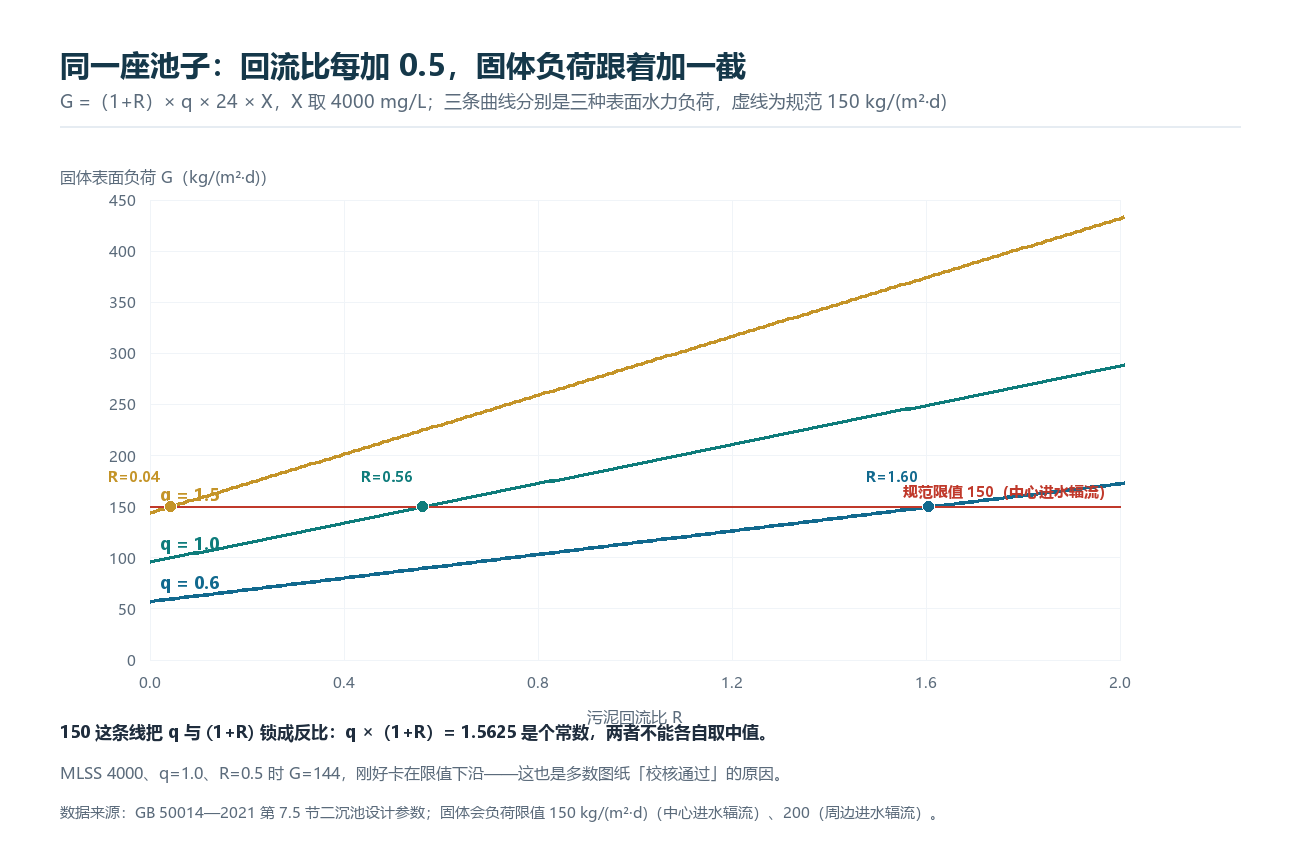
The design standard requires the secondary clarifier area to be selected based on surface hydraulic loading, then "checked" against solids loading—yet what truly overwhelms the clarifier is kg/(m²·d). The 150 threshold locks surface loading and return rat
View Details
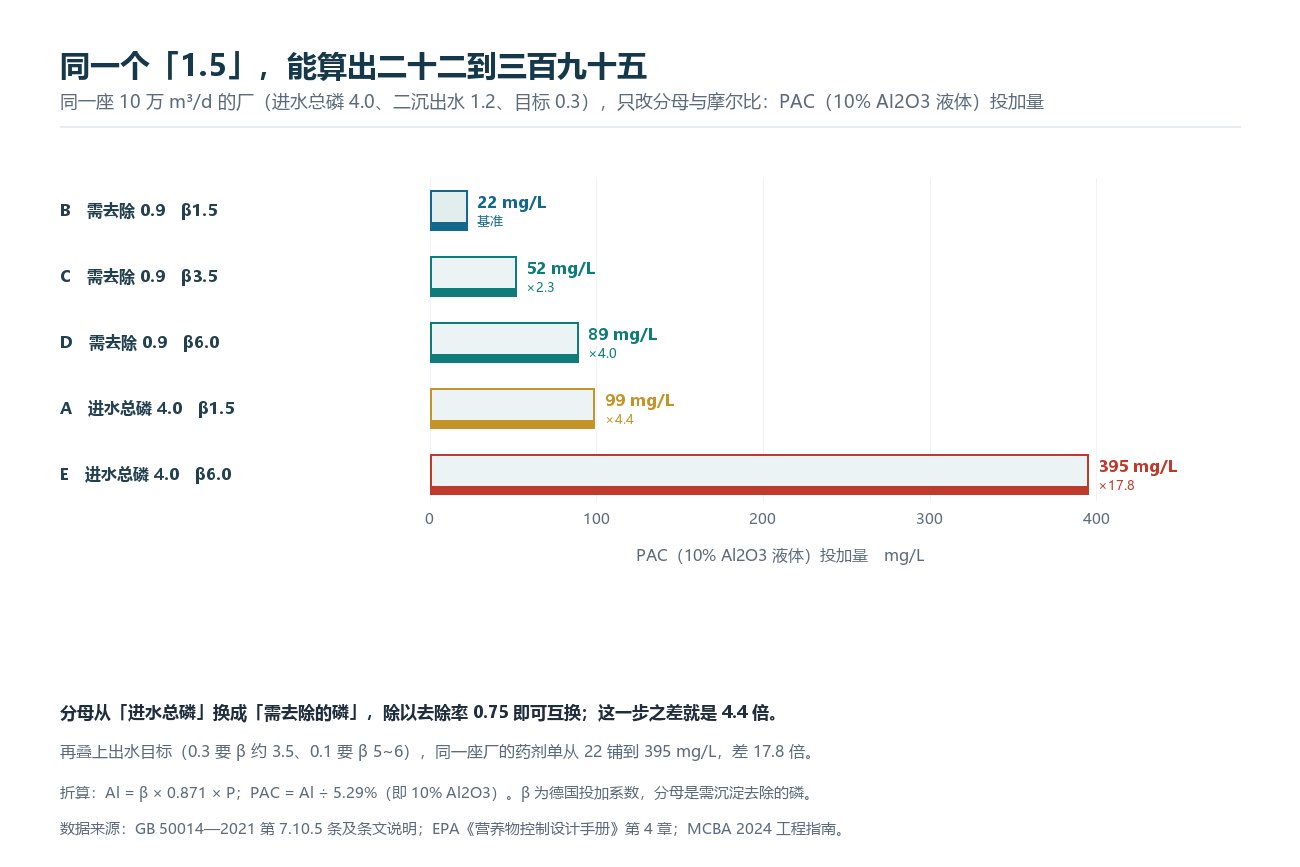
Chemical phosphorus removal: The dosage cannot be calculated accurately because the denominator for "phosphorus" has been changed.
Chemical Phosphorus
Chemical phosphorus removal: The dosage cannot be calculated accurately because the denominator for "phosphorus" has been changed.
Across multiple industries nationwide (upgrade and retrofitting of municipal was
Medium to large scale (32,000 to 200,000 m³/d; magnetic coagulation clarifier si
The dosing rate for chemical phosphorus removal cannot be calculated accurately, not because the formula is wrong, but because its three multipliers have each been defined under different bases: whether the denominator uses influent Total Phosphorus / TP
View Details
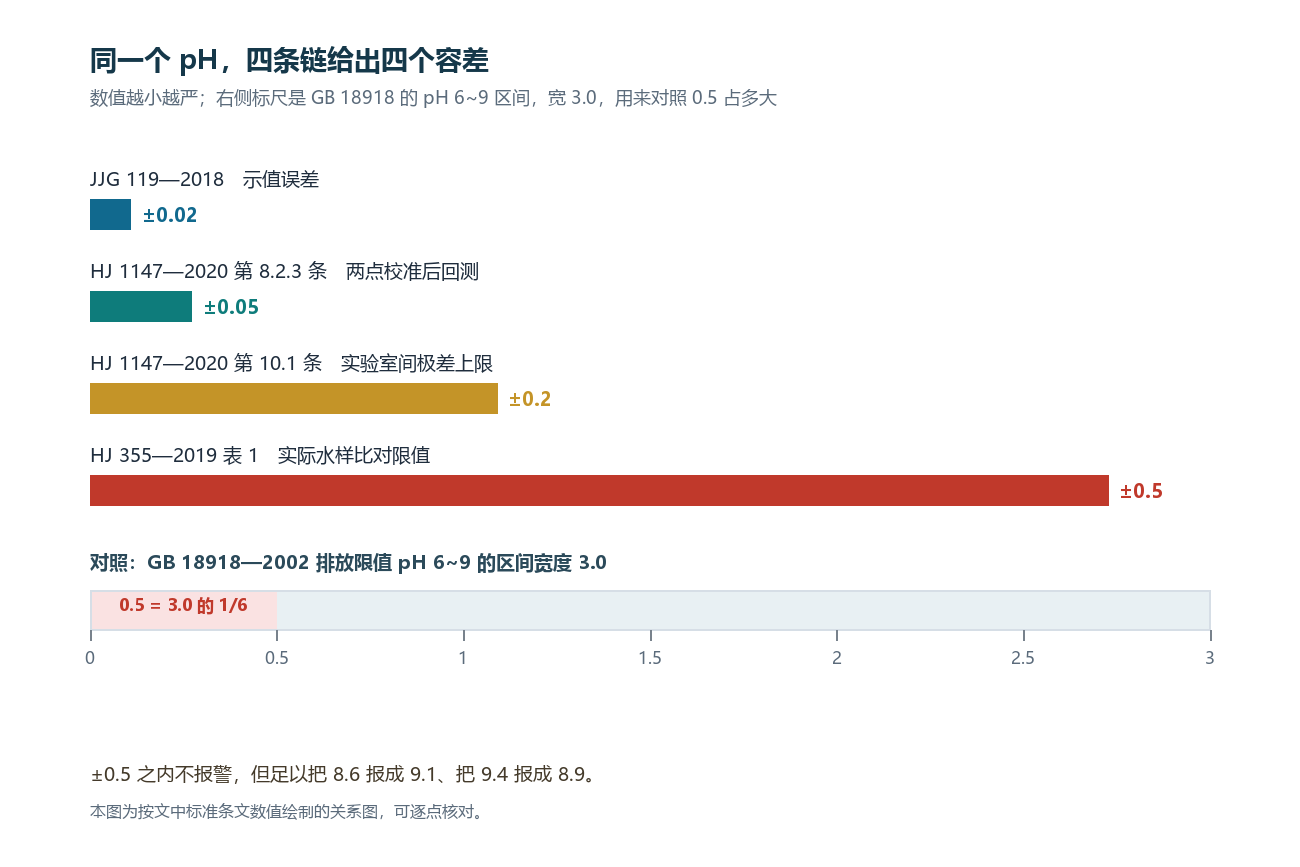
Three meters: pH 0.5, ORP 205, turbidity 200 times
Online water quality
Three meters: pH 0.5, ORP 205, turbidity 200 times
Across multiple industries nationwide (industrial park wastewater stations, muni
Pilot to engineering scale (hundreds to tens of thousands of m³/d; single-point
The same online pH meter: the method standard requires a back-test error of no more than 0.05, the inter-laboratory range is 0.1–0.2, while the actual water sample comparison allowed for discharge assessment is ±0.5—three sets of tolerances differing by a
View Details
Copyright © 2026 TIANYI LIMITED All Rights Reserved