Cases

Cases

Cases
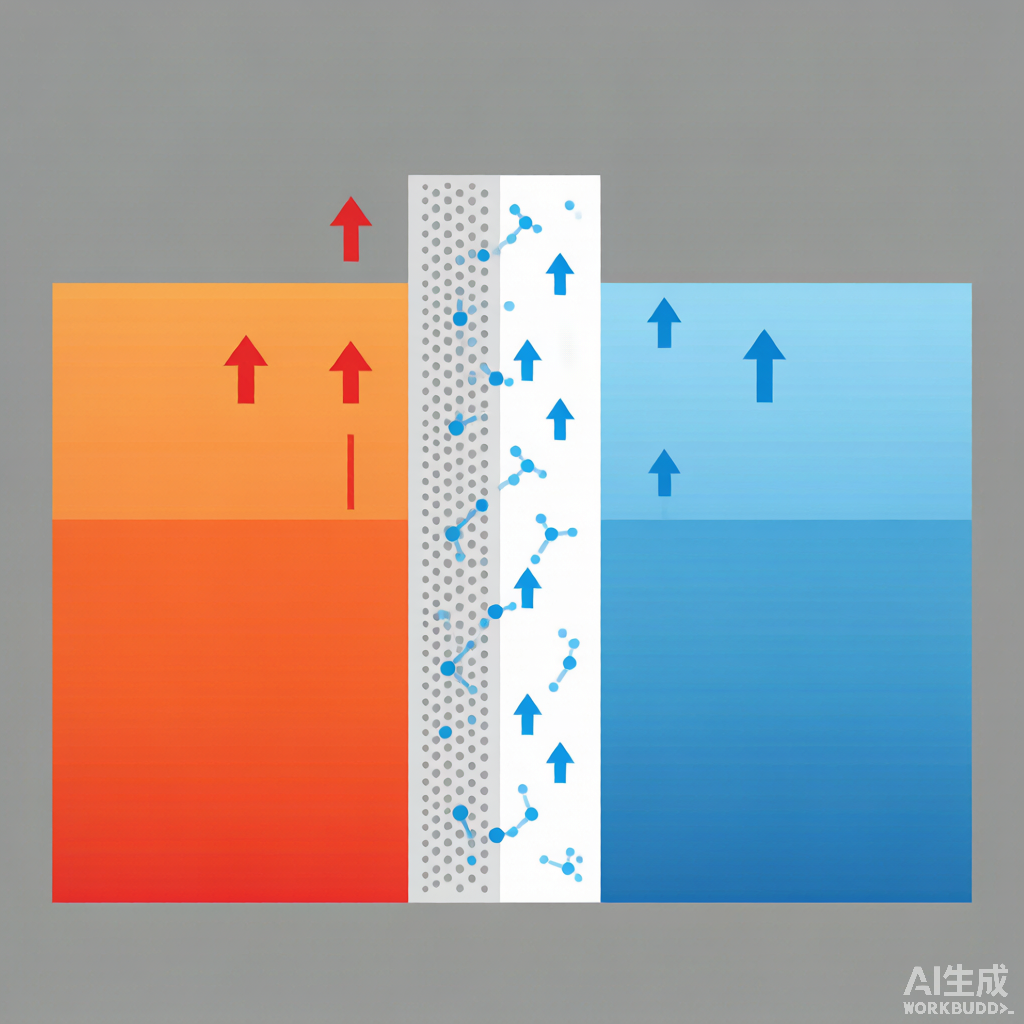
Membrane Distillation (MD): Using a hydrophobic membrane that "repels water but not vapor" to distill pure water from high-salinity wastewater.
Membrane Distillatio
Membrane Distillation (MD): Using a hydrophobic membrane that "repels water but not vapor" to distill pure water from high-salinity wastewater.
Across multiple industries nationwide (chemical / power plant desulfurization /
Pilot-scale to engineering-scale (tens to hundreds of m³/d; the largest publicly
Membrane Distillation (MD) is driven by the transmembrane vapor pressure difference across a hydrophobic microporous membrane, operable with low-grade waste heat at 40–80°C, virtually unconstrained by osmotic pressure, and capable of treating high-salinit
View Details
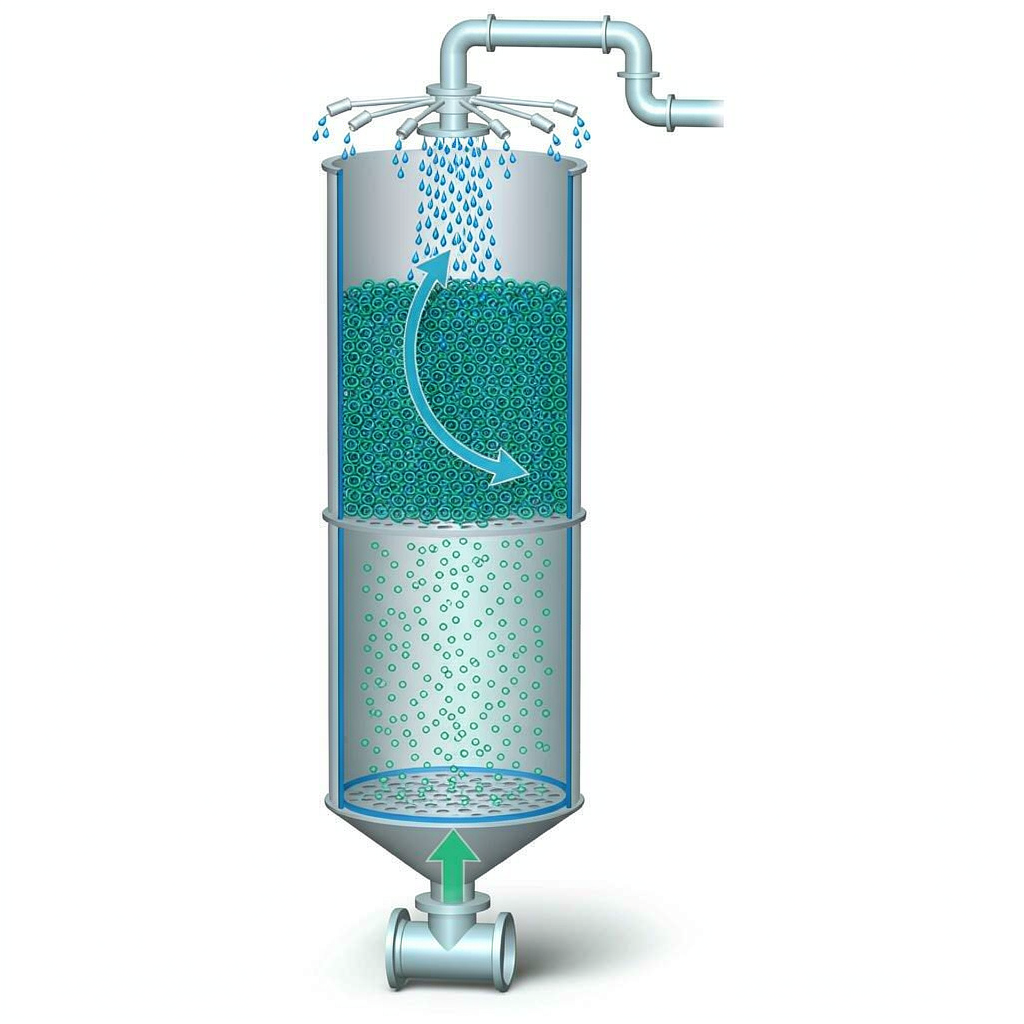
Ammonia Nitrogen Stripping (Air Stripping): Converts NH₄⁺ into NH₃ and "strips" it away with air—a powerful pretreatment tool for high-ammonia-nitrogen industrial wastewater.
Ammonia Nitrogen Str
Ammonia Nitrogen Stripping (Air Stripping): Converts NH₄⁺ into NH₃ and "strips" it away with air—a powerful pretreatment tool for high-ammonia-nitrogen industrial wastewater.
Across multiple industries nationwide (coking / coal chemical / semiconductor /
Pilot-scale to full-scale implementation (from tens to tens of thousands of m³/d
Ammonia Stripping/Steam Stripping leverages the conversion of ammonium ions to free ammonia under alkaline conditions, combined with gas-liquid mass transfer, to remove ammonia from high-ammonia industrial wastewater in gaseous form, which can subsequentl
View Details
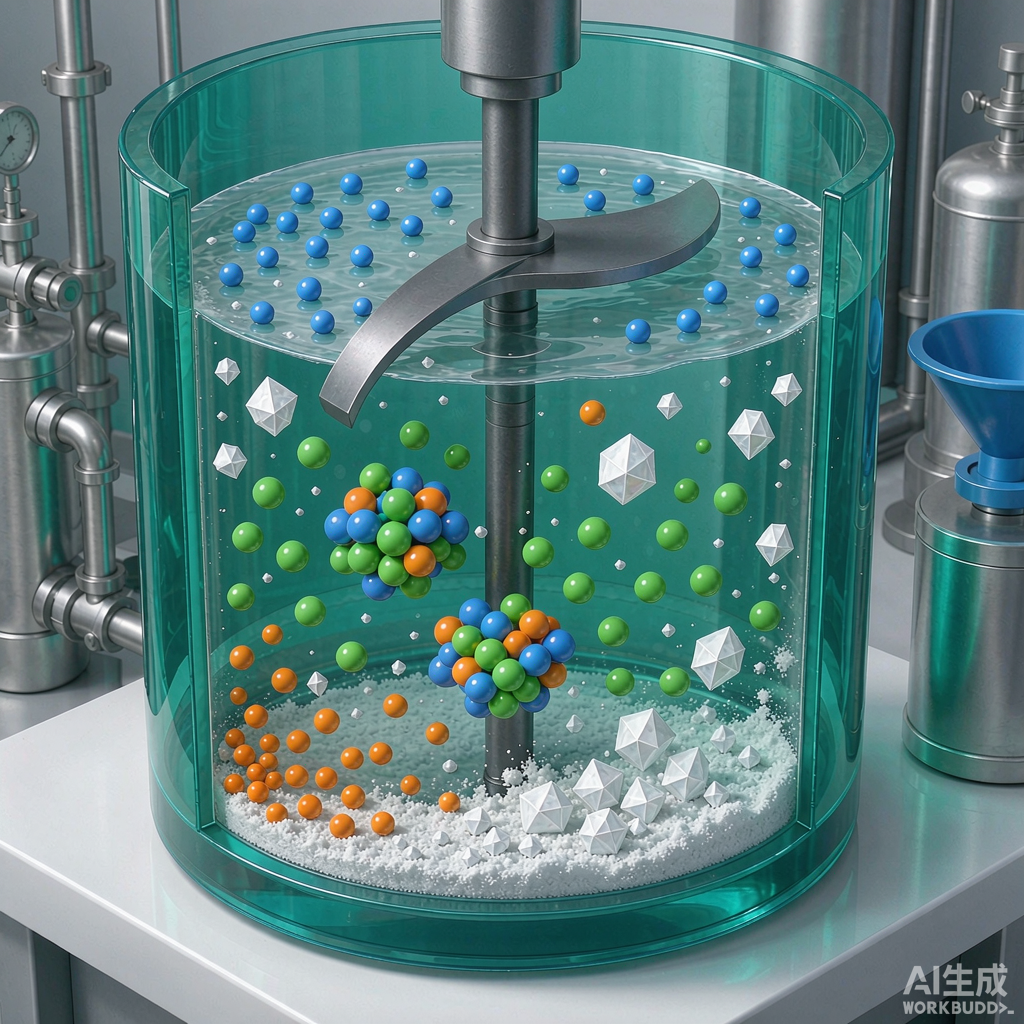
MAP (Magnesium Ammonium Phosphate / Struvite) Crystallization-Precipitation: Converting High Ammonia Nitrogen and Phosphorus in Wastewater into a Bag of Slow-Release Fertilizer
Magnesium Ammonium P
MAP (Magnesium Ammonium Phosphate / Struvite) Crystallization-Precipitation: Converting High Ammonia Nitrogen and Phosphorus in Wastewater into a Bag of Slow-Release Fertilizer
Across multiple industries nationwide (landfill leachate / anaerobic digestion e
Pilot-scale to full-scale implementation (from tens to tens of thousands of m³/d
Magnesium Ammonium Phosphate (MAP/struvite) crystallization-precipitation process recovers ammonia nitrogen and phosphorus from wastewater as MgNH₄PO₄·6H₂O crystals under conditions of pH 9–9.5 and Mg:NH₄:PO₄ ≈ 1:1:1, achieving simultaneous nitrogen and p
View Details
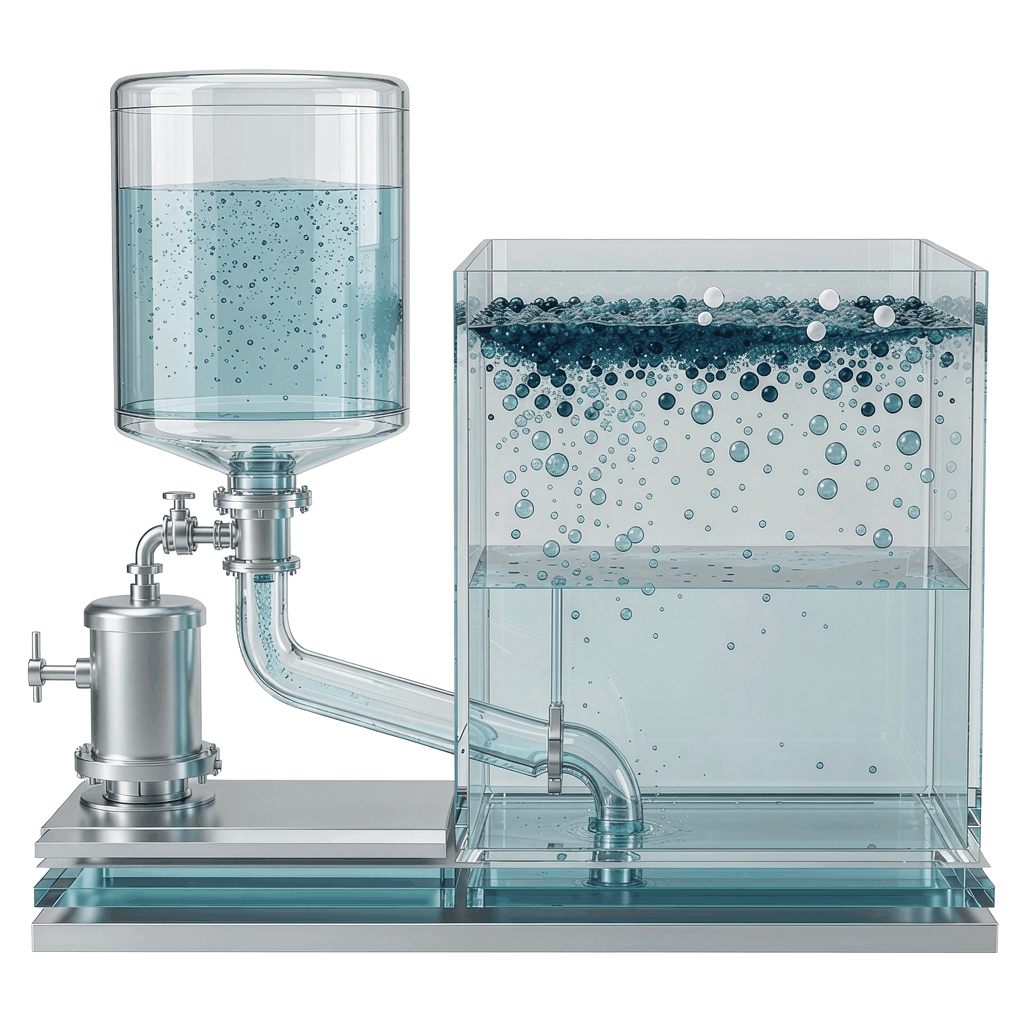
Dissolved Air Flotation (DAF): Uses "micro-bubble grippers" to lift oil droplets and fine sludge that sedimentation tanks cannot capture up to the water surface.
Dissolved Air Flotat
Dissolved Air Flotation (DAF): Uses "micro-bubble grippers" to lift oil droplets and fine sludge that sedimentation tanks cannot capture up to the water surface.
Across multiple industries nationwide (petrochemical refining / machining / food
Pilot-scale to full-scale engineering (from tens to tens of thousands of m³/d)
Dissolved Air Flotation (DAF) generates 20–50 μm microbubbles through pressurized dissolution followed by instantaneous pressure release, "lifting" emulsified oil, fine fibers, and light flocs—whose density approaches that of water—to the surface. It is t
View Details
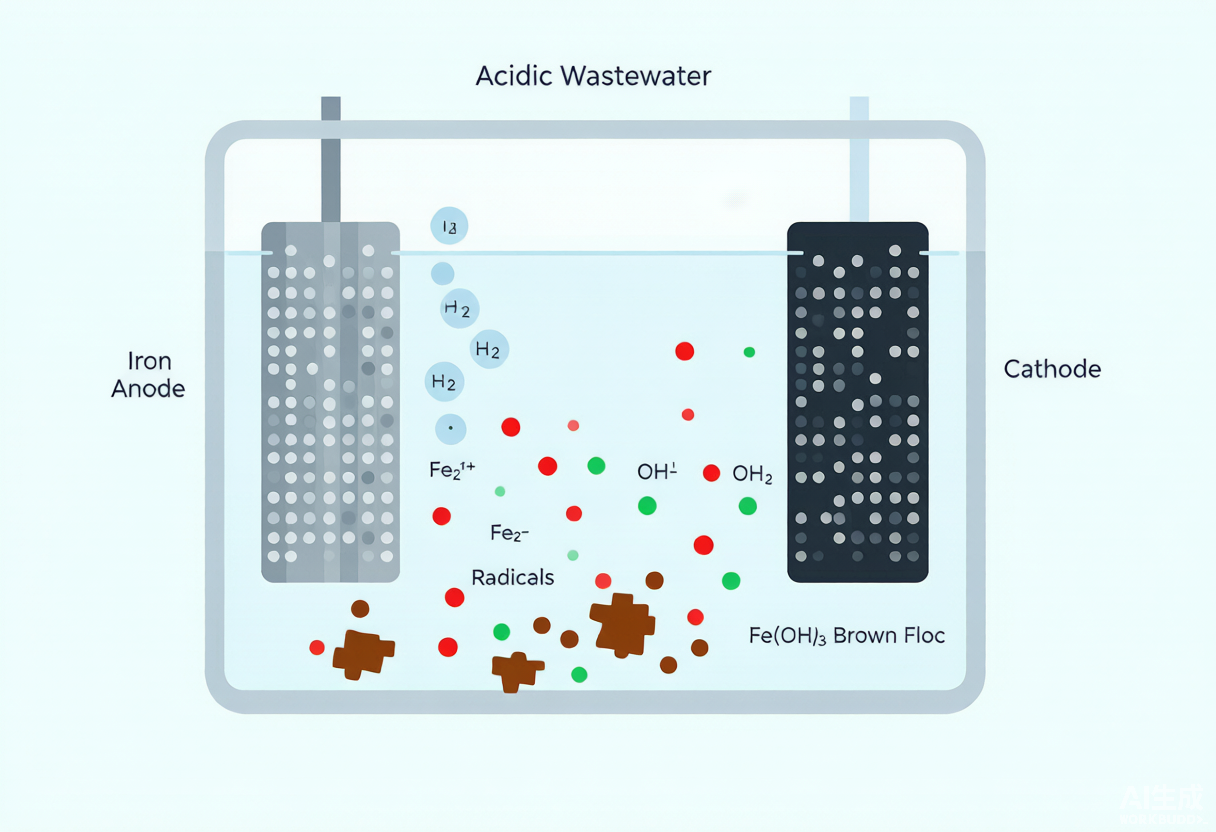
Iron-Carbon Micro-Electrolysis (Internal Electrolysis): A "micro-galvanic cell" without external power supply, breaking down refractory wastewater into biodegradable fragments for subsequent biological treatment.
Iron-Carbon Micro-El
Iron-Carbon Micro-Electrolysis (Internal Electrolysis): A "micro-galvanic cell" without external power supply, breaking down refractory wastewater into biodegradable fragments for subsequent biological treatment.
National Multi-Industry (Pharmaceutical / Coking / Printing and Dyeing / Chemica
Pilot-scale to full-scale engineering (from tens to tens of thousands of m³/d)
Iron-carbon micro-electrolysis leverages iron filings (anode) and carbon (cathode) to form numerous microscopic galvanic cells in acidic wastewater, where Fe corrosion generates Fe²⁺, nascent [H], and ·OH that cleave chains and open rings, while Fe(OH)₃ c
View Details
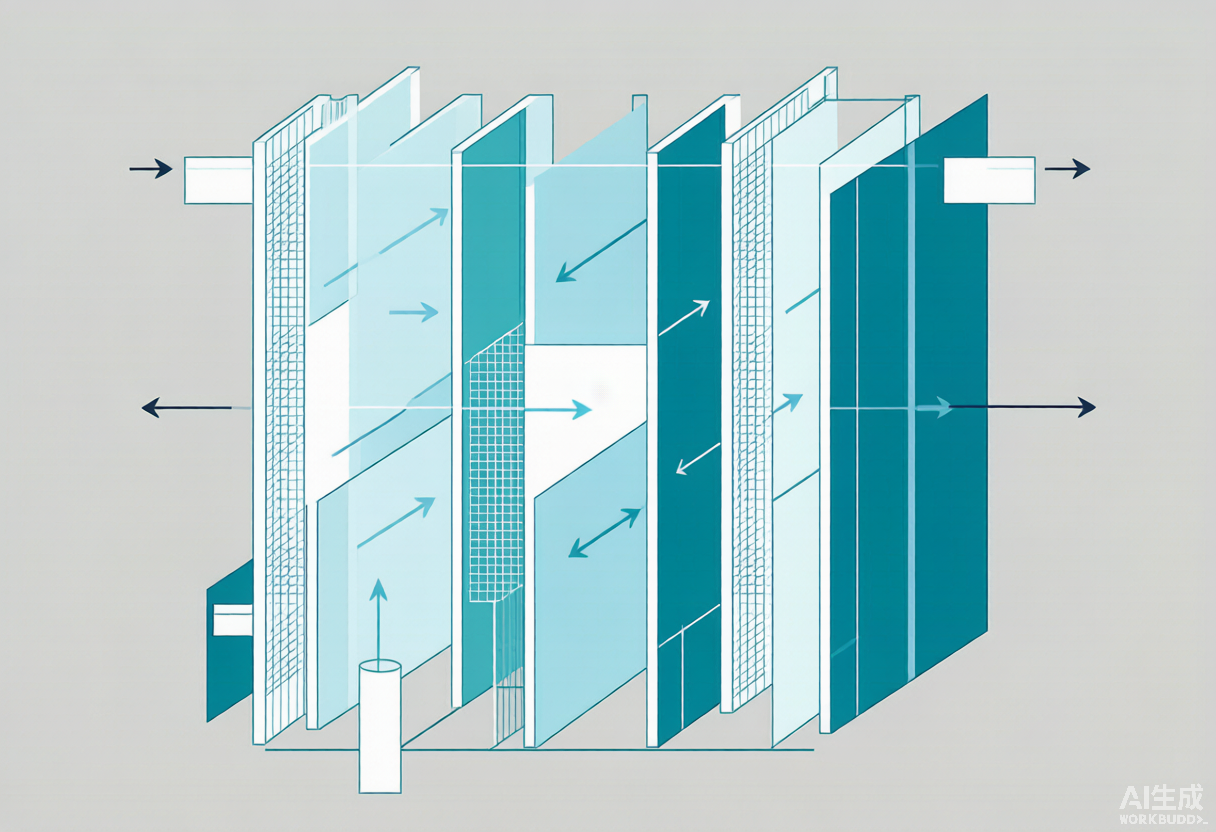
Electrodialysis (ED): It uses an "ion sieve" to separate salt from water in an electric field, and then employs bipolar membranes to convert the salt back into acid and alkali.
Electrodialysis (ED)
Electrodialysis (ED): It uses an "ion sieve" to separate salt from water in an electric field, and then employs bipolar membranes to convert the salt back into acid and alkali.
National Multi-Industry (Coal Chemical / Coking / Printing and Dyeing / Lithium
Pilot-scale to full-scale engineering (from tens to tens of thousands of m³/d; s
Electrodialysis (ED) utilizes ion-exchange membranes and a direct current (DC) electric field to drive the directional migration of ions, achieving desalination and concentration of high-salinity wastewater; Bipolar Membrane Electrodialysis (BMED) further
View Details
Copyright © 2026 TIANYI LIMITED All Rights Reserved